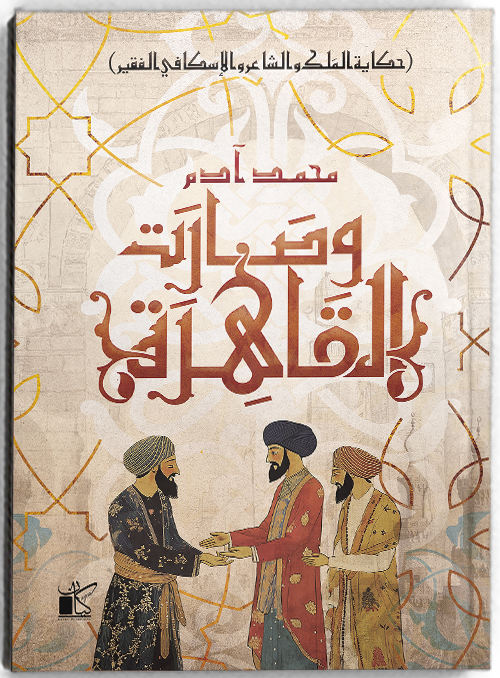
et in the fourth century Hijri (tenth century CE), the narrative casts a spotlight on Egypt during the Fatimid era, under the rule of Caliph al-Muʿizz li-Dīn Allāh. It captures the social and political life of the time, revealing the formidable strength of the Fatimid state both internally and beyond its borders, as it tightened its grip on Egypt, the Maghreb, and the Levant.
The story also reflects the struggles of the Egyptian society, across all its classes and sects, under the practices of the Isma’ili doctrine—the official creed of the Fatimids. Among the prominent figures in this sweeping tale are: the Fatimid Caliph al-Muʿizz li-Dīn Allāh himself; his son, the poet-prince Tamīm ibn al-Muʿizz; the Coptic saint Simeon the Tanner (Simʿān al-Kharrāz); viziers Jaʿfar ibn al-Furāt and Yaʿqūb ibn Killis; and the Syrian Patriarch Abraham ibn Zaraa.