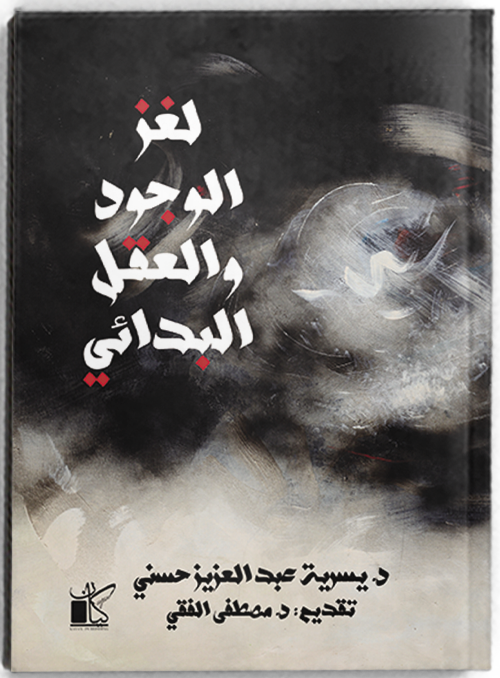
of ancient civilizations. It examines the concept of beginnings within the primitive mind, using diverse examples of creation myths from Ancient Egypt, Mesopotamia, China, and beyond. It highlights the centrality of water as the essence of life and the source of the cosmos in most mythologies, and revisits stories such as the cosmic egg of the Greeks and the Hermopolitan philosophy, which revolved around the eternal waters.
The book draws a connection between the evolution of religious and philosophical thought and the human urge to explain natural phenomena—such as the emergence of light, sky, and earth. It investigates how this thought shaped the structure of ancient societies and their notions of morality and religion. The text also delves into Egyptian funerary literature, like the Coffin Texts and the Pyramid Texts, which offer detailed visions of creation and the afterlife.
Ultimately, this is not merely a study of the past, but a quest to understand how early humans tried to fill the vast silence of existence with questions that still haunt us today. The book underscores the vital role of philosophy and myth in building human culture, making it a significant intellectual contribution.
_ Dr. Yusriya Abdel Aziz