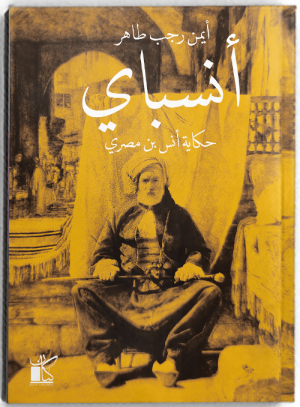
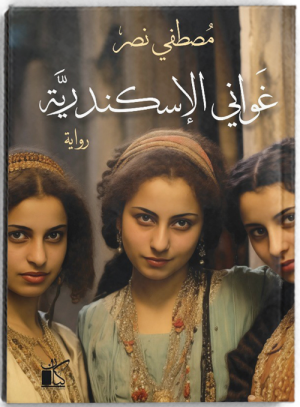
“The district of the Sha’lejiya, a locale believed to exist in one of the alleys near Sayeda Zeinab Square, is inhabited by the elderly Faidh Allah, along with his son Taqawi and his young granddaughter Munifa. He shares his life with his lifelong friend, the venerable Ma’ruf, and together they reminisce about the era of Khedive Ismail’s rule, the excavation of the Suez Canal, its inauguration celebration, and their youthful days as conscripts in Urabi’s army. They also recall their involvement in the resistance against the English, the period following the English occupation of Egypt, their subsequent discharge, and their work as lamplighters for the columns of light—a trade that dwindled with the advent of electricity. Now, with Faidh Allah approaching his eighties, he still participated in the 1919 revolution led by Saad Zaghloul, which he saw as a resistance against the English, and he longed for the emergence of a future leader who would liberate all of Egypt from the corrupt monarchy and the English occupiers who dominated the nations’ resources.”