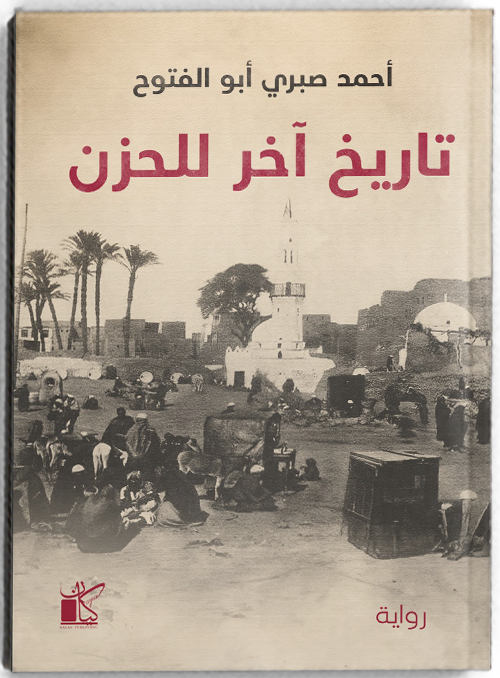
“In the novel “”A Different History of Sorrow,”” the author employs many distinctive, innovative, and captivating narrative techniques to bring the reader into a complex psychological state that is not easily described—whether it is joy, sadness, or pain. This is especially true as the story follows the trajectory of around four generations in a simple village called Nosa El Bahr. The narrative begins with an event reminiscent of popular epics and rare individual heroics, where one or two people sacrifice themselves for the lives of everyone else. This occurs in the aftermath of Orabi’s defeat and the spread of the British in various villages and estates, aiming to eliminate the families of those who participated in Orabi’s army. The British commander possessed a list, and they burned villages, exterminated their inhabitants, and destroyed many estates before reaching Nosa El Bahr, which was already suffering from a severe food crisis, to the point where the residents had to eat a cow that was said to be dead. The villagers were torn between fleeing the village and hiding until the British soldiers passed. Sheikh Hassanein Al-Lahfa and Halawiya, the wife of Fathallah who awaited her husband’s return from Orabi’s army in vain, decided to stay. They were brutally mistreated, dragged, tortured, and mercilessly killed. Halawiya left behind her infant son, who was fed by a dog.
The main family in the novel is the aristocratic “”Arslan family””, headed by Abdel Baset Arslan. This family owns a large mansion and estates in and around Nosa El Bahr and possesses significant power and influence. Despite the disagreements between Abdel Baset Arslan and his siblings, these conflicts usually remain in the background and only appear as a dramatic justification for the frustration of his son, Monji Arslan, a human rights lawyer. Monji is madly in love with his cousin, but his uncle refuses to marry her to him due to Monji’s Nasserist inclinations. Monji’s father and family were angered by these inclinations since Nasser caused the family to lose much of their property, as they were one of the major landowning families in Mansoura. Monji thus becomes the prodigal son who thinks contrary to the family’s views, the rebellious son who pays the price for his rebellion with years in prison on various political charges.”